
Keeping the Flow: Ceiling Fan Maintenance
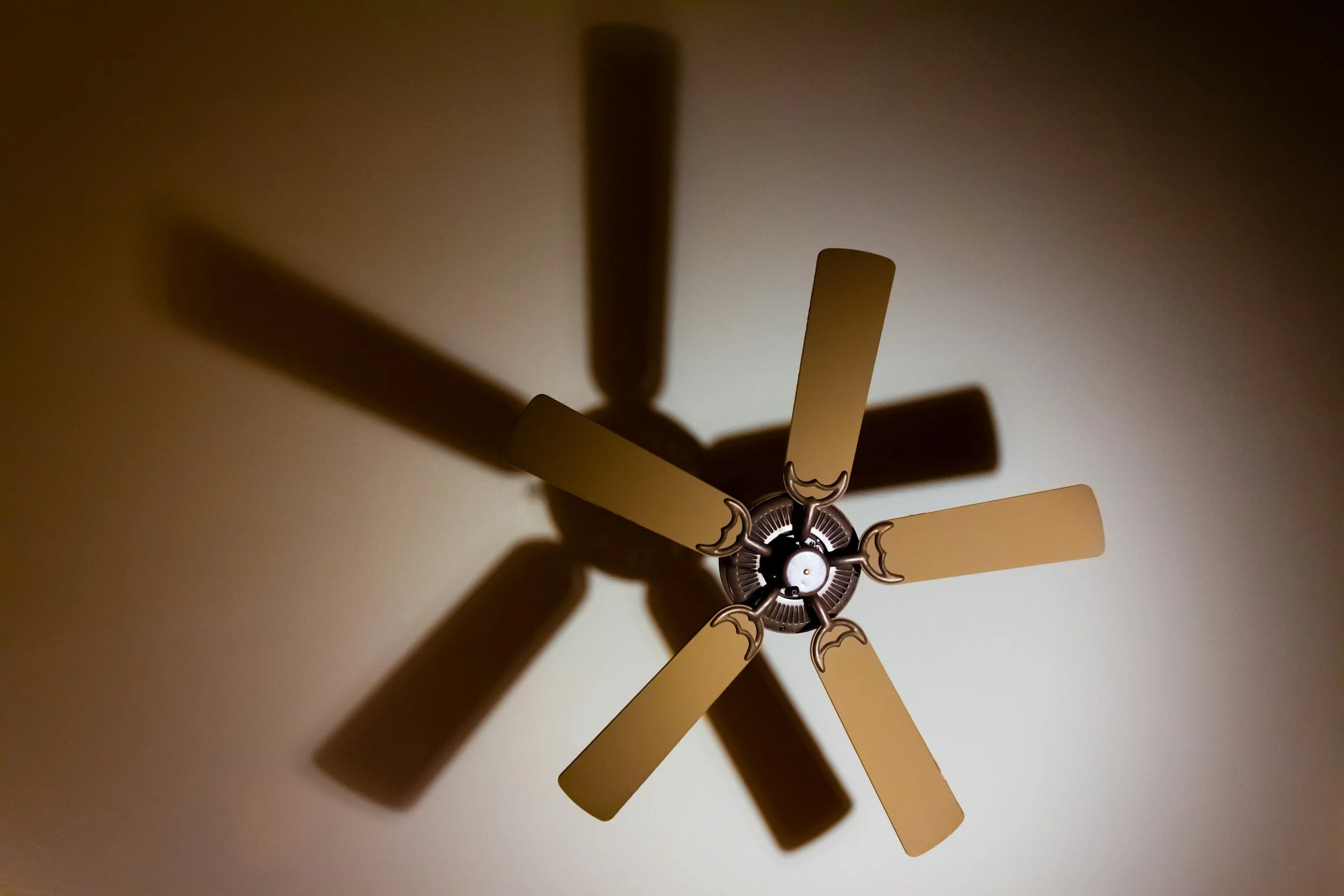
Ceiling fans are one of the hardest-working fixtures in many homes, helping improve comfort and reduce energy costs throughout the year. However, like any household appliance, they require regular maintenance to perform their best. With a few simple steps, you can keep your ceiling fan clean, efficient, and operating safely.
Clean Fan Blades Regularly
One of the most important maintenance tasks is keeping your ceiling fan blades free of dust and dirt. A feather duster works well for quick cleanings, while a damp towel or rag can help remove heavier buildup. Don't forget to inspect the pull chain if your fan has one—dust and grime often accumulate there as well.
Dusty fan blades affect more than your home’s aesthetic. When the fan is running, accumulated dust can be circulated throughout the room, affecting your home's air quality. Regular cleaning helps keep the air cleaner and reduces allergens in your living space.
Don't Forget the Light Fixture
If your ceiling fan includes a light kit with a glass globe or shade, it deserves attention too. Remove the globe carefully and wash it in warm, soapy water to remove dust, fingerprints, and other residue. Clean lighting fixtures not only look better but also allow more light to shine through.
While you're working on the light fixture, consider replacing any older bulbs with newer, longer-lasting options. Modern LED bulbs are more energy-efficient, last significantly longer, and can reduce the frequency of bulb changes.
Safely Reach Difficult Areas
Because ceiling fans are mounted overhead, cleaning them can sometimes be challenging. Always use a sturdy ladder or step stool when reaching your fan, and take proper safety precautions. If the fan is located in a particularly high or hard-to-reach area, it may be worth having a professional assist with maintenance.
Adjust Fan Direction with the Seasons
Many homeowners don't realize that ceiling fans should rotate in different directions depending on the season.
During the summer months, set your fan to run counterclockwise. This creates a cooling breeze that helps make rooms feel more comfortable.
When temperatures drop, switch the fan to rotate clockwise at a low speed. This helps circulate warm air that naturally rises to the ceiling, improving comfort and potentially reducing heating costs.
Watch for Wobbling
A ceiling fan should run smoothly and quietly. If you notice that your fan begins to wobble as it speeds up, it's important to address the issue as soon as possible. Wobbling is often caused by unbalanced blades or loose screws.
Check all visible hardware and tighten any loose screws. If the problem persists, the blades may need balancing. Ignoring a wobbling fan can lead to increased wear and tear and may eventually cause more significant issues.
Listen for Unusual Noises
While ceiling fans typically make very little noise, consistent squeaking, rattling, or other unusual sounds should not be ignored. These noises can indicate loose components, worn parts, or even motor issues.
The severity of the sound often determines the seriousness of the problem. If tightening visible hardware doesn't resolve the noise, it's a good idea to have the fan inspected by a qualified professional.
Replace Worn Blades When Necessary
Over time, ceiling fan blades can experience normal aging, wear, and tear. In some cases, the motor and other components remain in excellent condition while only the blades require replacement.
Replacing worn or damaged blades can improve the fan's appearance, restore proper balance, and extend the life of the entire fixture without the expense of replacing the whole unit.
Final Thoughts
Routine ceiling fan maintenance doesn't take much time, but it can make a big difference in performance, air quality, and longevity. By regularly cleaning the blades, maintaining the light fixture, adjusting seasonal settings, and addressing any wobbling or unusual noises, you can keep your ceiling fan operating efficiently for years to come.